Terraform Basics: A Comprehensive Guide to Infrastructure as Code
Learn the fundamentals of Terraform for infrastructure automation. This guide covers core concepts, basic commands, and best practices for managing cloud infrastructure as code.
Introduction to Terraform
Terraform is HashiCorp's Infrastructure as Code (IaC) tool that enables you to safely and predictably create, change, and improve infrastructure. This guide will walk you through the fundamental concepts and practical implementation of Terraform.
Core Concepts
1. Infrastructure as Code (IaC)
Infrastructure as Code is the practice of managing infrastructure through machine-readable definition files rather than manual processes. Benefits include:
- Version control for infrastructure
- Consistent environments
- Automated deployment
- Reduced human error
2. Terraform Components
Provider Configuration
terraform {
  required_providers {
    aws = {
      source  = "hashicorp/aws"
      version = "~> 5.0"
    }
  }
}

provider "aws" {
  region = "us-west-2"
}
Resource Blocks
resource "aws_instance" "example" {
  ami           = "ami-0c55b159cbfafe1f0"
  instance_type = "t2.micro"

  tags = {
    Name = "example-instance"
  }
}
Variables and Outputs
# variables.tf
variable "instance_type" {
  description = "EC2 instance type"
  type        = string
  default     = "t2.micro"
}

# outputs.tf
output "instance_ip" {
  description = "Public IP of the instance"
  value       = aws_instance.example.public_ip
}
Basic Commands
1. Initialization
terraform init
This command initializes a Terraform working directory by:
- Downloading required providers
- Initializing backend configuration
- Installing modules
2. Planning
terraform plan
The plan command:
- Shows execution plan
- Highlights changes to be made
- Identifies potential issues
3. Applying Changes
terraform apply
Apply command:
- Executes the planned changes
- Creates/modifies/deletes resources
- Updates state file
4. Destroying Infrastructure
terraform destroy
Safely removes all resources managed by Terraform.
State Management
Understanding Terraform State
The state file (
terraform.tfstate- Mapping real-world resources to configuration
- Tracking metadata
- Performance optimization
# Backend configuration for state management
terraform {
  backend "s3" {
    bucket = "terraform-state-bucket"
    key    = "terraform.tfstate"
    region = "us-west-2"
  }
}
Best Practices
1. Code Organization
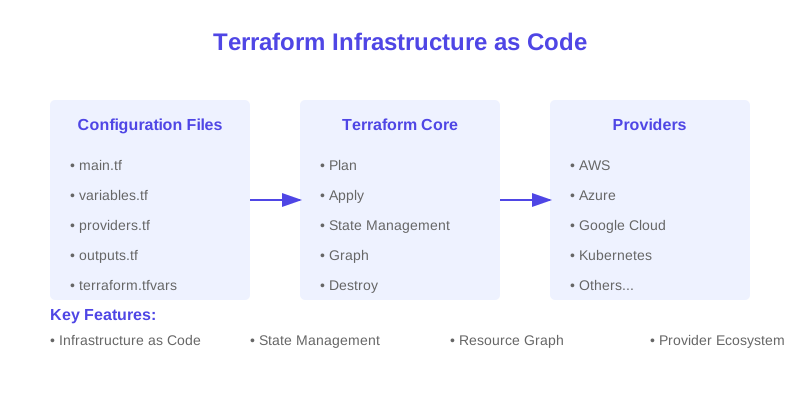
project/
├── main.tf         # Main configuration
├── variables.tf    # Variable declarations
├── outputs.tf      # Output declarations
├── terraform.tfvars # Variable values
└── providers.tf    # Provider configuration
2. Resource Naming
resource "aws_instance" "web_server" {
  # Use descriptive names
  tags = {
    Name        = "${var.environment}-web-server"
    Environment = var.environment
    Project     = var.project_name
  }
}
3. Version Constraints
terraform {
  required_providers {
    aws = {
      source  = "hashicorp/aws"
      version = "~> 5.0.0"  # Use version constraints
    }
  }
  required_version = ">= 1.0.0"
}
Working with Data Sources
Data sources allow Terraform to use information defined outside of Terraform:
data "aws_ami" "ubuntu" {
  most_recent = true

  filter {
    name   = "name"
    values = ["ubuntu/images/hvm-ssd/ubuntu-focal-20.04-amd64-server-*"]
  }

  filter {
    name   = "virtualization-type"
    values = ["hvm"]
  }

  owners = ["099720109477"] # Canonical
}
Error Handling and Debugging
Common Issues and Solutions
- Provider Authentication
provider "aws" {
  region     = "us-west-2"
  access_key = var.aws_access_key  # Use variables
  secret_key = var.aws_secret_key  # Use variables
}
- Dependency Management
resource "aws_instance" "web" {
  # ... instance configuration ...

  depends_on = [
    aws_vpc.main,
    aws_subnet.web
  ]
}
Conclusion
This guide covered the essential concepts and practices for getting started with Terraform. Remember to:
- Always version control your Terraform configurations
- Use consistent formatting ()
terraform fmt - Document your code
- Follow security best practices
- Regularly update providers and modules
Next Steps
To continue learning Terraform:
- Explore more complex resource types
- Learn about Terraform modules
- Practice with different cloud providers
- Implement CI/CD for Terraform
- Study advanced state management techniques