What is Kubernetes? A Beginner's Guide to Container Orchestration
Learn the fundamentals of Kubernetes, understand container orchestration, and discover why it's essential for modern DevOps practices.
What is Kubernetes? A Beginner's Guide to Container Orchestration
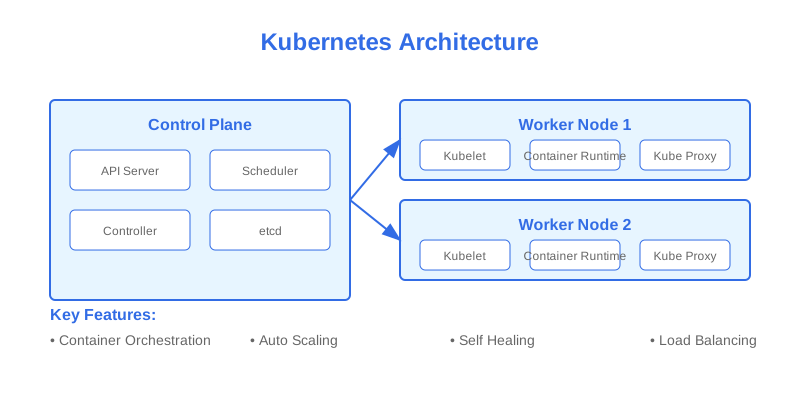
Kubernetes Architecture
What You'll Learn
- Understanding Kubernetes and its purpose
- Core concepts and components
- Basic Kubernetes architecture
- Common use cases and benefits
- Getting started with Kubernetes
Understanding Kubernetes
What is Kubernetes?
Kubernetes (K8s) is an open-source container orchestration platform that automates the deployment, scaling, and management of containerized applications. It was originally developed by Google and is now maintained by the Cloud Native Computing Foundation (CNCF).
Key Benefits
| Benefit | Description | Impact |
|---|---|---|
| Scalability | Automatic scaling of applications | Improved performance |
| High Availability | Self-healing capabilities | Increased reliability |
| Portability | Run anywhere Kubernetes runs | Vendor flexibility |
Core Concepts
Basic Components
| Component | Purpose | Description |
|---|---|---|
| Pod | Basic unit of deployment | One or more containers |
| Service | Network abstraction | Stable network endpoint |
| Deployment | Application management | Declarative updates |
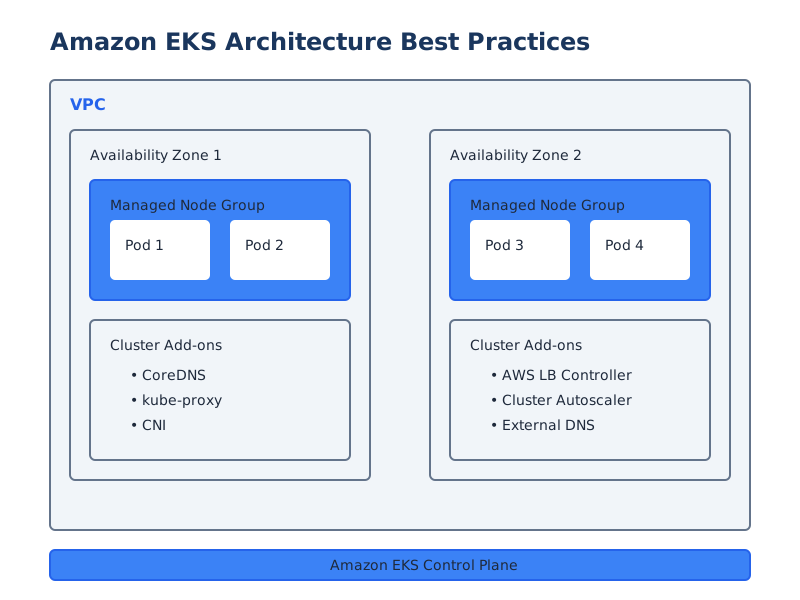
Kubernetes Architecture
Control Plane Components
| Component | Role | Responsibility |
|---|---|---|
| API Server | Frontend | Handles all API requests |
| etcd | Database | Stores cluster state |
| Scheduler | Placement | Assigns pods to nodes |
Node Components
| Component | Role | Responsibility |
|---|---|---|
| Kubelet | Node agent | Manages containers |
| Kube Proxy | Network proxy | Handles networking |
| Container Runtime | Container engine | Runs containers |
Common Use Cases
When to Use Kubernetes
-
Microservices Architecture
- Service orchestration
- Load balancing
- Service discovery
-
Cloud-Native Applications
- Scalable deployments
- Cloud portability
- Infrastructure abstraction
-
DevOps Practices
- Continuous deployment
- Rolling updates
- Automated rollbacks
Getting Started
Prerequisites
| Requirement | Purpose | Notes |
|---|---|---|
| Docker | Container runtime | Latest version |
| kubectl | CLI tool | Cluster management |
| minikube | Local cluster | Development environment |
Basic Operations
Common Commands
| Command | Purpose | Example |
|---|---|---|
| kubectl get | List resources | kubectl get pods |
| kubectl describe | Show details | kubectl describe pod |
| kubectl logs | View logs | kubectl logs pod-name |
Key Features
Core Capabilities
| Feature | Description | Benefit |
|---|---|---|
| Auto Scaling | Automatic pod scaling | Resource optimization |
| Self-healing | Automatic replacements | High availability |
| Load Balancing | Traffic distribution | Better performance |
Best Practices
Development Best Practices
- Use namespaces for organization
- Implement resource limits
- Use labels and selectors
- Follow security guidelines
- Implement monitoring
Production Best Practices
- High availability setup
- Regular backups
- Security hardening
- Performance monitoring
- Disaster recovery planning
Common Challenges
Troubleshooting Guide
| Issue | Possible Cause | Solution |
|---|---|---|
| Pod crashes | Resource limits | Adjust resources |
| Network issues | Network policies | Check configurations |
| Scaling problems | HPA configuration | Review settings |
Security Considerations
Security Best Practices
| Area | Practice | Implementation |
|---|---|---|
| Access Control | RBAC | Role-based access |
| Network Security | Network Policies | Traffic control |
| Secrets | Encryption | Secure storage |
Next Steps
Learning Path
-
Basic Concepts
- Pods and containers
- Services and networking
- Storage and volumes
-
Advanced Topics
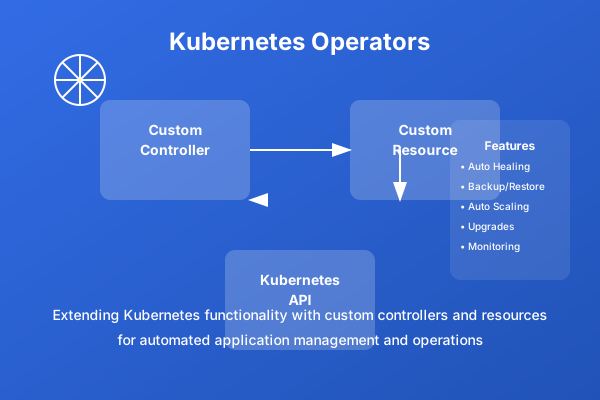
- Custom resources
- Operators
- Service mesh
-
Production Ready
- Monitoring
- Logging
- Security
Conclusion
Kubernetes has become the de facto standard for container orchestration, providing powerful features for deploying, scaling, and managing containerized applications. By understanding its core concepts and following best practices, you can effectively leverage Kubernetes for your applications.